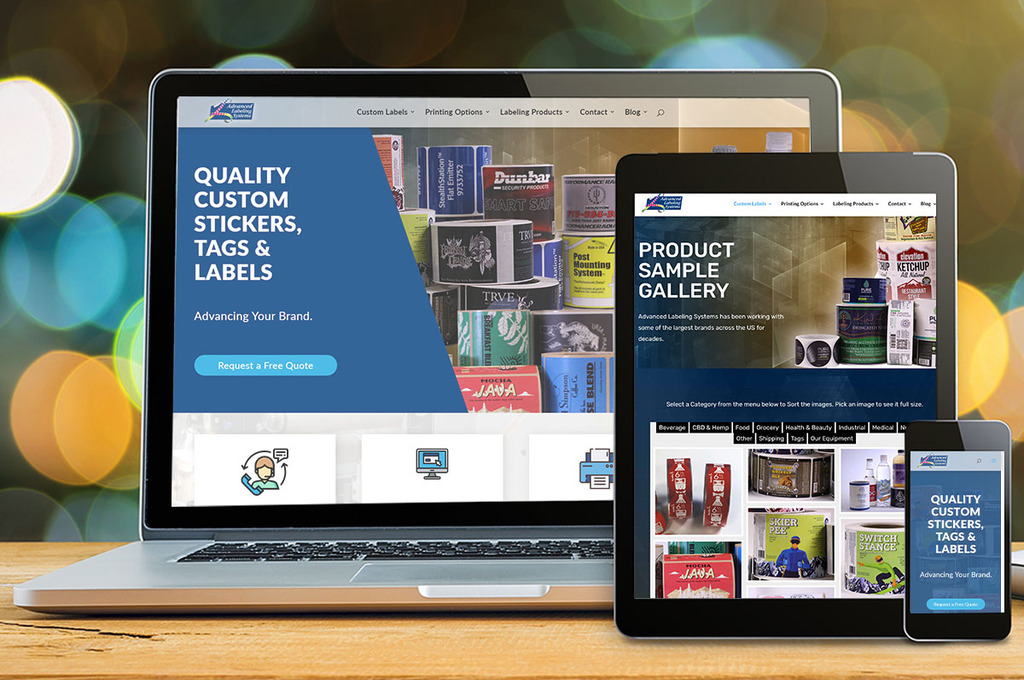
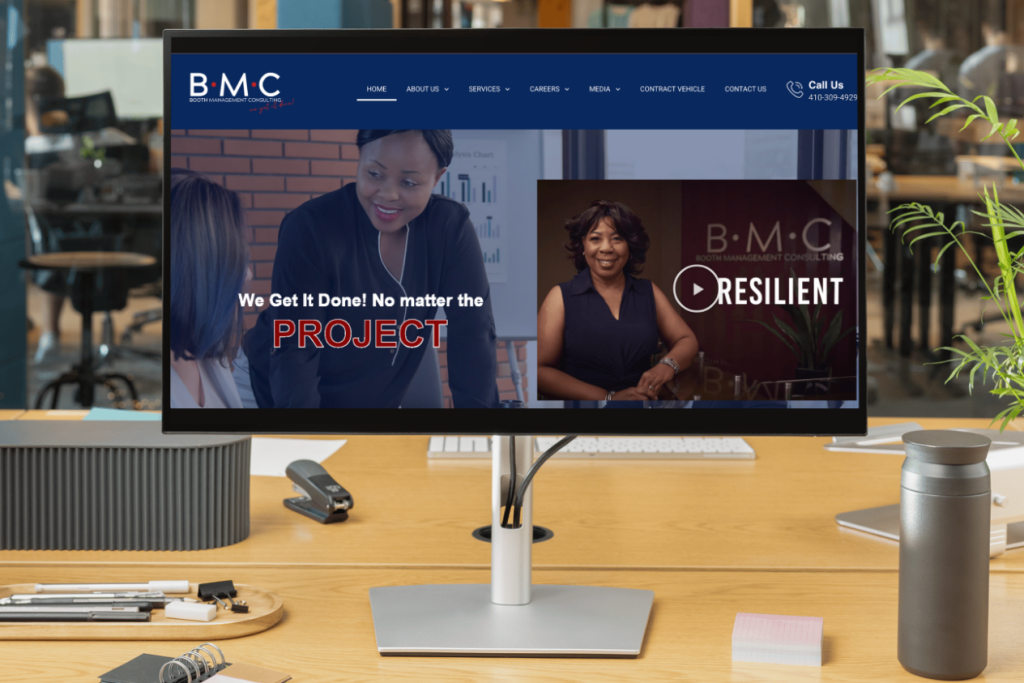
 When you launch a startup, everything feels important. You focus on your product, pricing, and finding that first sale. But one thing many new owners forget is their website. A simple social media page or quick landing page might seem enough at first, but in 2026 it’s often not.
Your website is like your business’s home base online. It’s where people go to learn about you, see what you offer, and decide whether to trust you. Without a clean, professional site, even great ideas can struggle to grow.
The average website only turns about 2-3% of visitors into customers. Good ones do much better. For startups, a solid first website builds credibility fast, helps you show up in searches, and works 24/7 to bring in leads while you sleep.
Why Your Startup Needs a Professional Website Now People judge businesses quickly online. If your site looks old, hard to use, or doesn’t explain things clearly, visitors leave fast. A professional website makes you look established and trustworthy—even if you’re just getting started.
It also helps with search engines. Google and AI tools favor clear, helpful sites. A good website can bring free traffic over time. Plus, when someone finds you through an ad or recommendation, your site is where they learn more and take the next step—like filling out a contact form or booking a service.
For funding or partnerships, investors often check your website first. A polished one shows you’re serious. And unlike social media, which you don’t fully own, your website is yours to control.
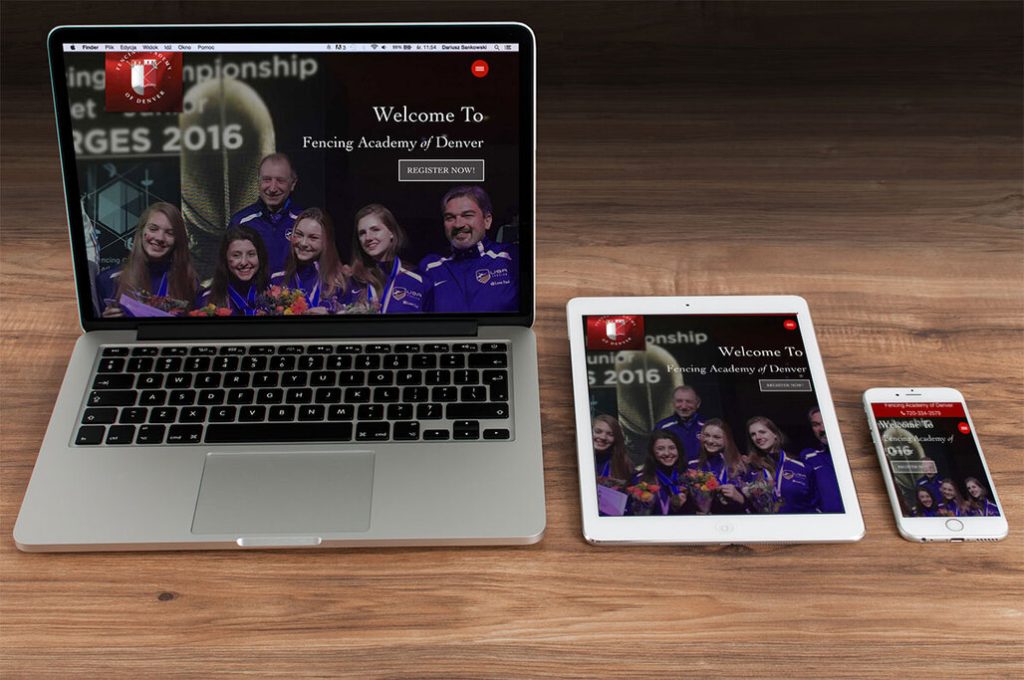
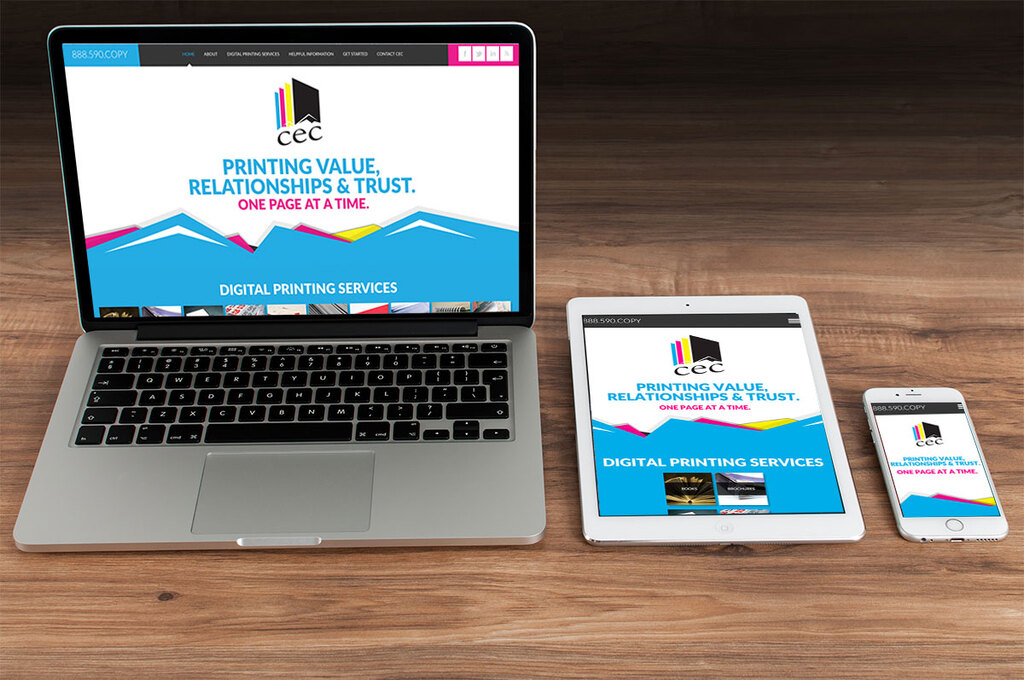
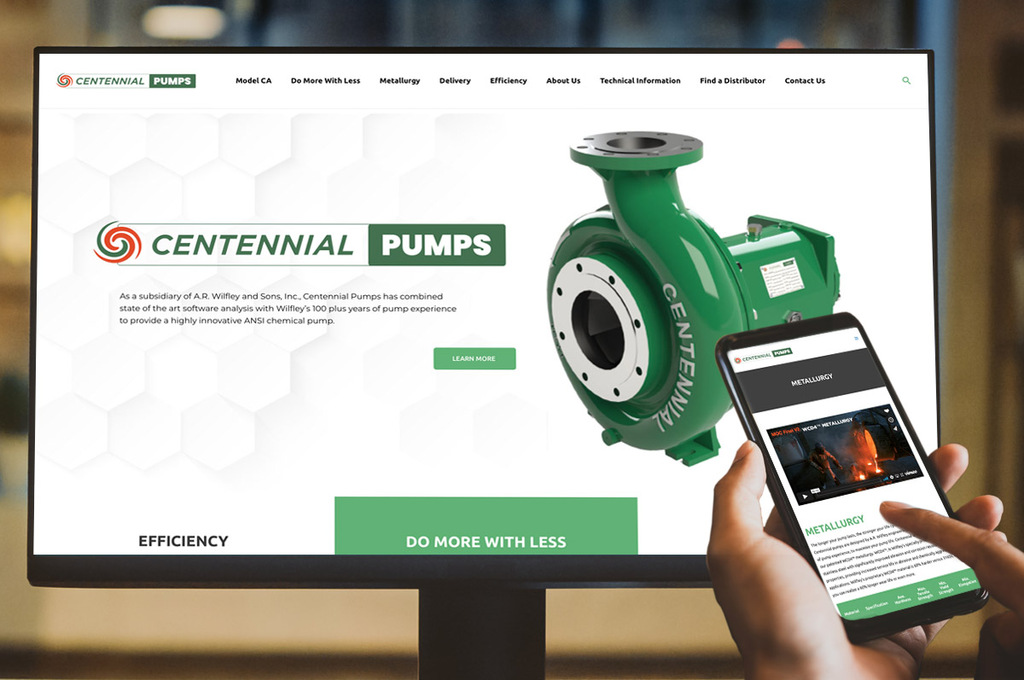
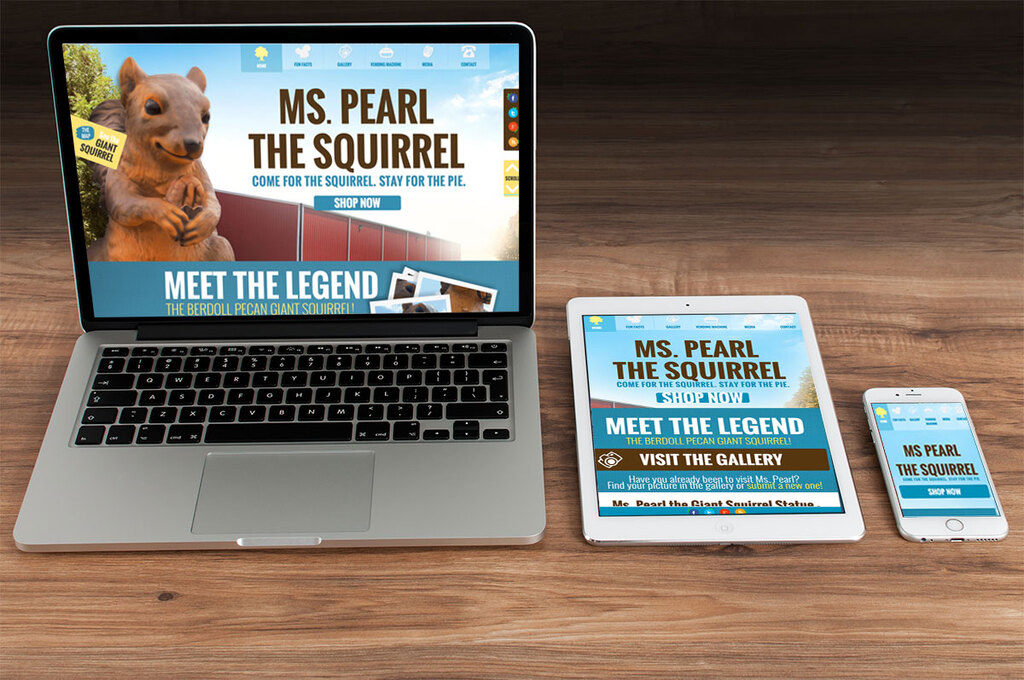
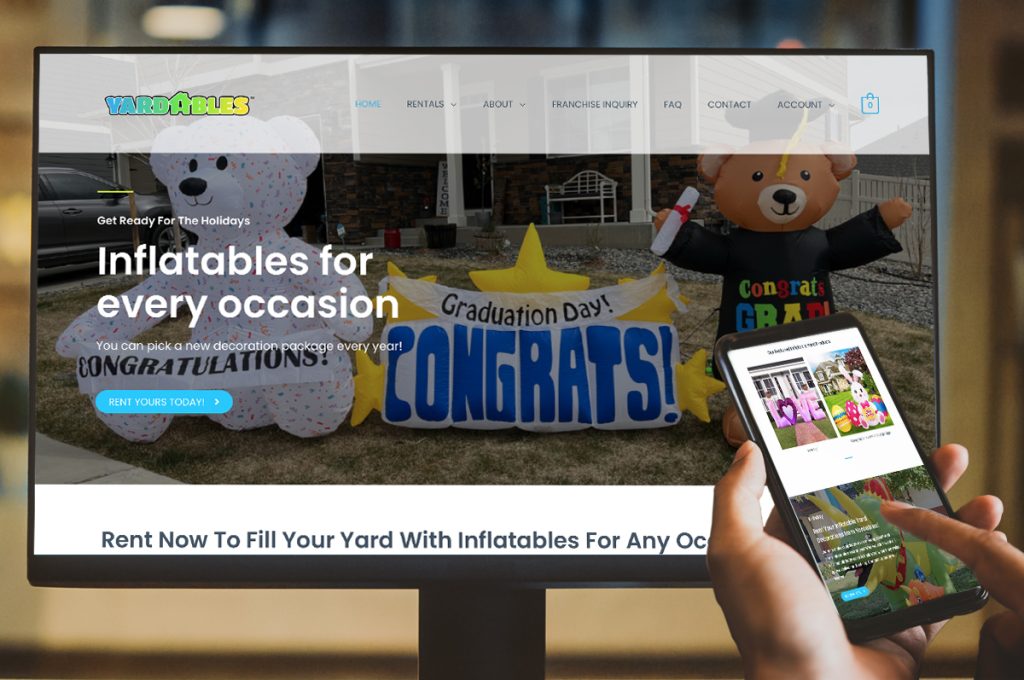
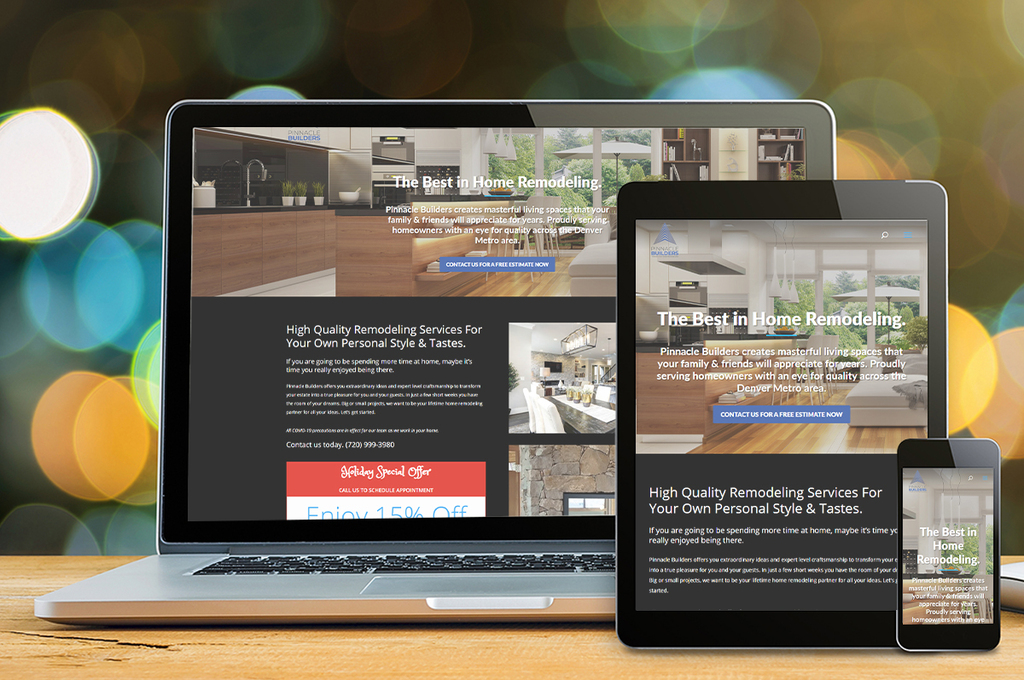
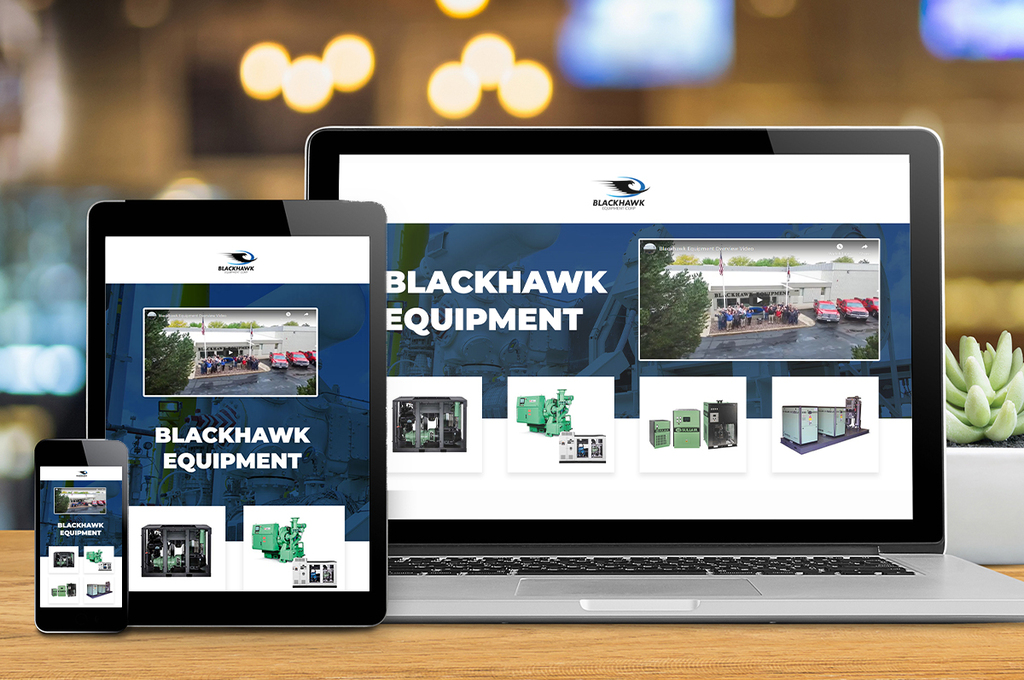
In 2026, with more AI summaries in search, having a site that clearly answers questions helps you get noticed. Mobile use is huge too—most people browse on phones, so your site must work perfectly on small screens.
What Makes a Good First Website for a Startup
Keep it simple. Start with these key parts:
-
- A clear homepage that says who you are and what you do in plain words.
-
- An “About” section that tells your story—why you started the business.
-
- Service or product pages with easy-to-understand benefits and prices if possible.
-
- A contact page with a simple form, phone, email, and map if you have a location.
-
- Testimonials or examples of your work to build trust.
Make navigation easy—just a few clear menu items. Use big buttons for calls to action, like “Get a Quote” or “Book Now.” Add quality photos that show your real business, not stock images.
Speed matters. A slow site frustrates people. Keep pages light and test on phones. Security is important too—use HTTPS so customers feel safe sharing info.
Common Challenges for New Business Owners
Many startups try to build their first site themselves using free tools. It can look okay at first, but often ends up hard to update or missing key pieces. Others hire cheap help and get something that doesn’t match their brand or convert visitors well.
The result? Missed sales and frustration. A website that doesn’t clearly explain your value or make it easy to reach you wastes marketing money spent to drive traffic.
How Insyntrix Helps Startups Build Their First Professional Website
Building a website the right way takes more than design skills. It needs strategy so the site actually helps you sell. That’s where Insyntrix comes in as a helpful partner.
We’ve guided many startups and growing businesses through their first (or refreshed) website. We start by listening in our Discovery phase—learning about your customers, goals, and what makes your business special. Then we move to Strategy and Branding to create clear messaging that feels like you.
Our team handles the technical parts: making it fast, mobile-friendly, and easy for search engines to understand. We add simple lead-capture tools so you don’t miss opportunities. Everything goes through clear checkpoints so you approve each step and stay in control.
The result is a professional site delivered quickly and at a fair price—without the headaches of doing it alone or managing multiple freelancers. We also make sure it connects with future needs, like adding email sign-ups or linking to local SEO efforts.
Tips to Make Your Website Work Harder
Focus on your customer. Write in simple language that answers their questions: What do you offer? Why choose you? How do they get started?
Test it with real people if possible. Watch where they click and what confuses them. Update regularly—fresh content helps search engines and keeps visitors coming back.
Track basic results: How many people visit? How many contact you? Free tools like Google Analytics give you the numbers.
Taking the Next Step for Your Startup
Your first professional website is one of the smartest investments you can make early on. It sets a strong foundation that grows with your business and helps turn interest into real revenue.
You don’t need to figure everything out by yourself. Many successful startups partner with experts who handle the details while keeping things simple and affordable.
At Insyntrix, we love helping new business owners create websites that look great and actually work for growth. Whether you want a complete professional build done efficiently or just need guidance because things feel unclear, we offer straightforward options that fit where you are right now.
You Can Get With This: High-quality website development that’s fast and reasonably priced. OR You Don’t Have a Clear Plan: We walk you through easy choices and next steps.


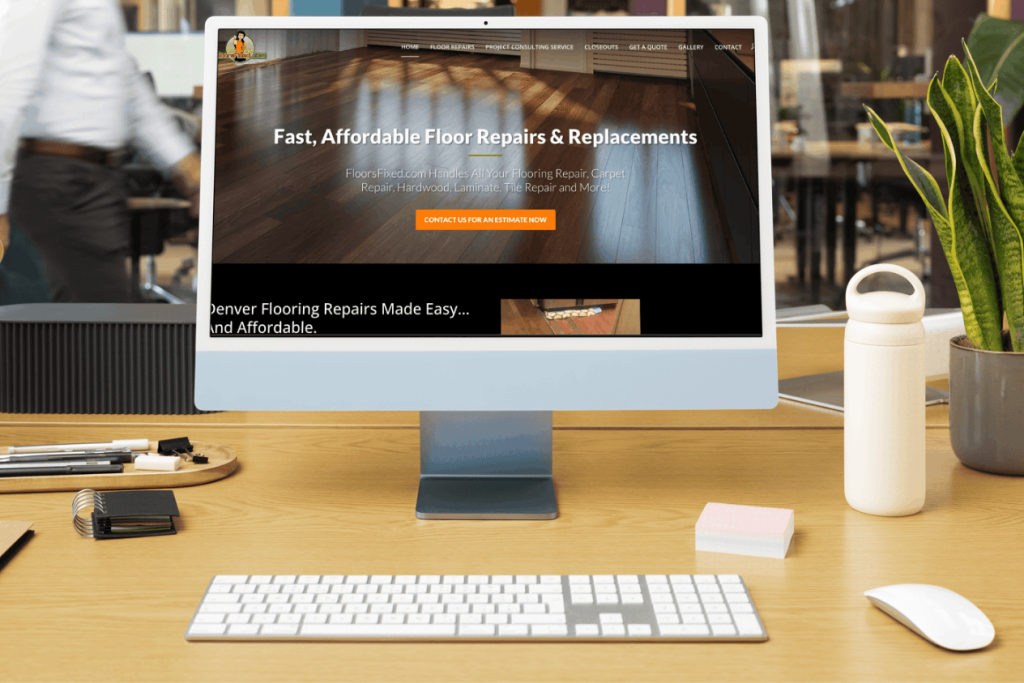
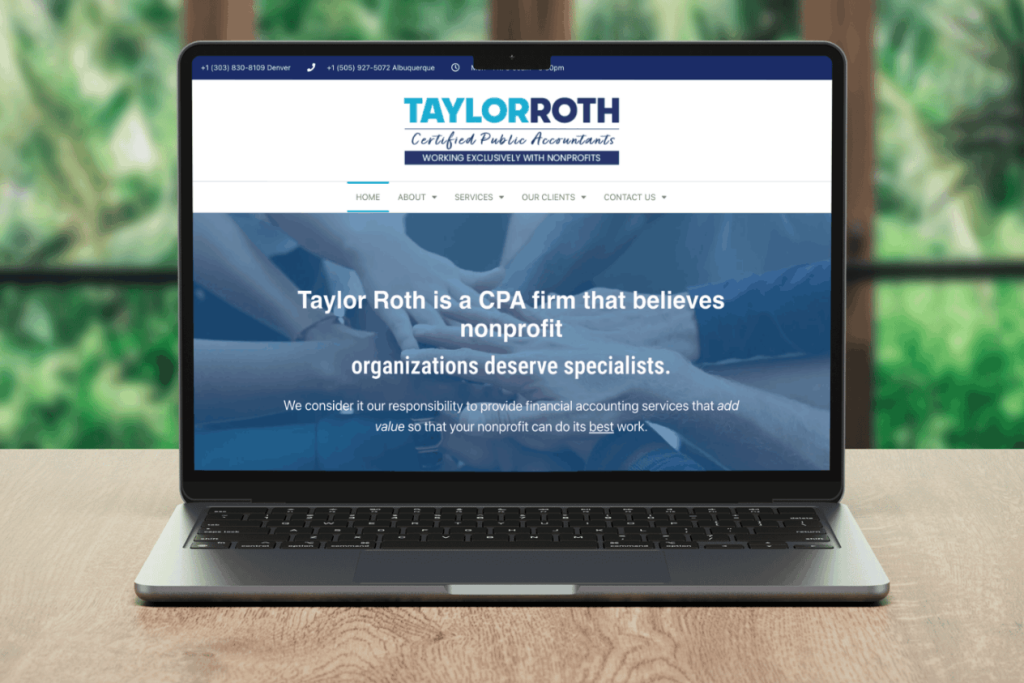
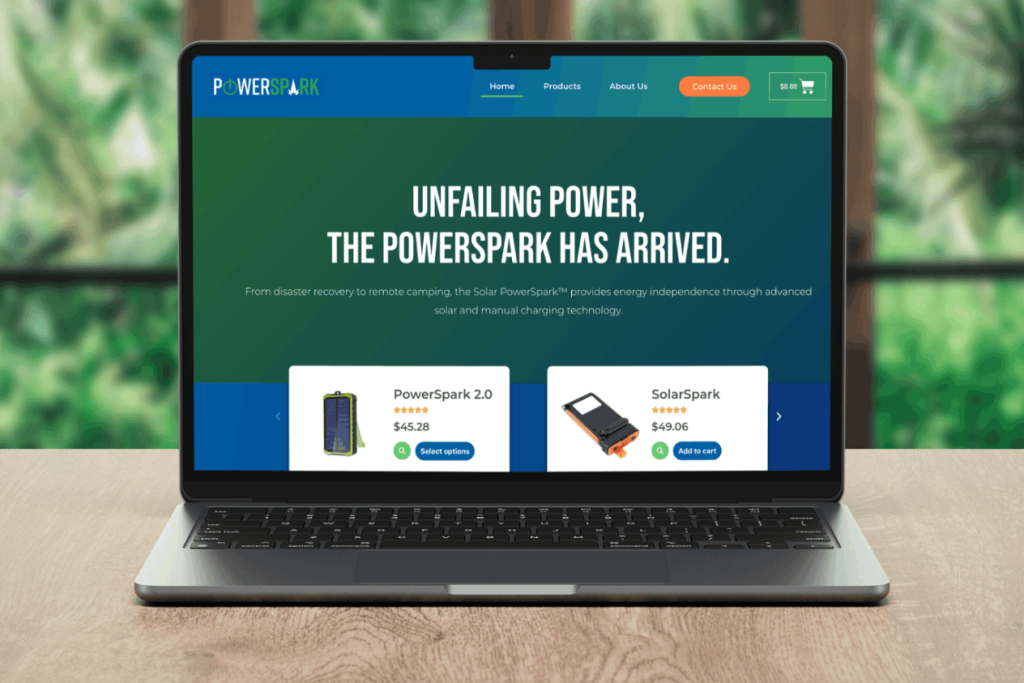
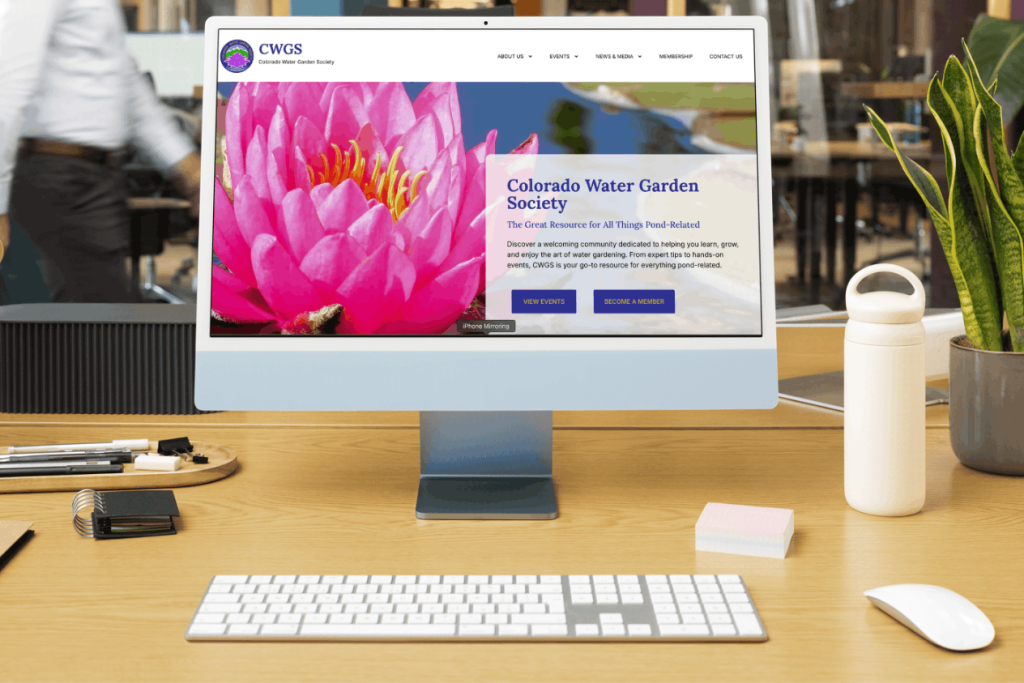
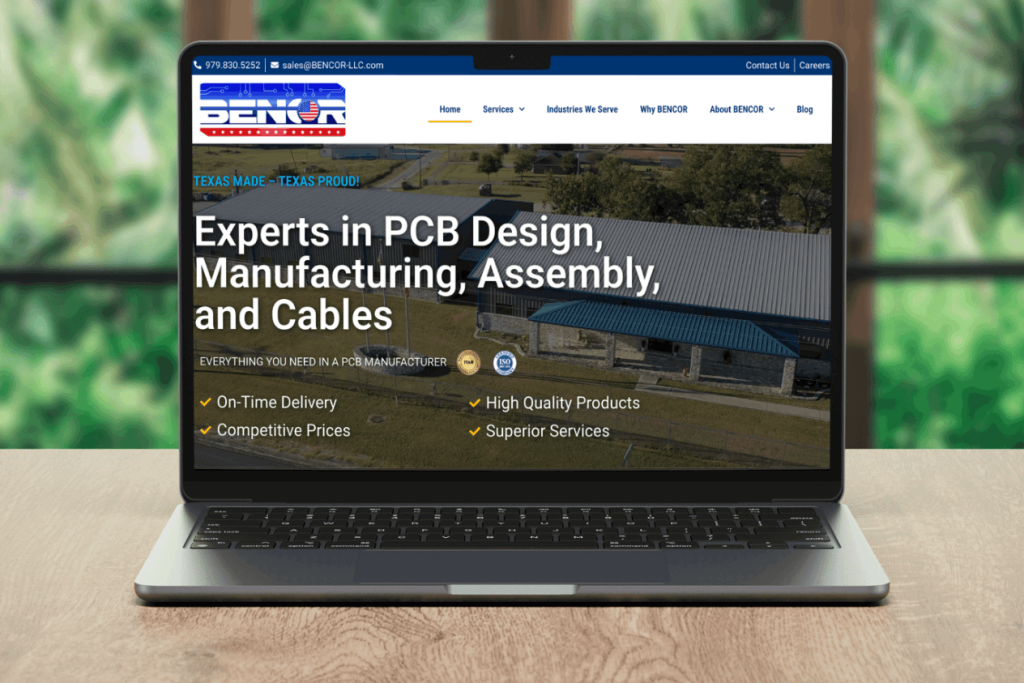
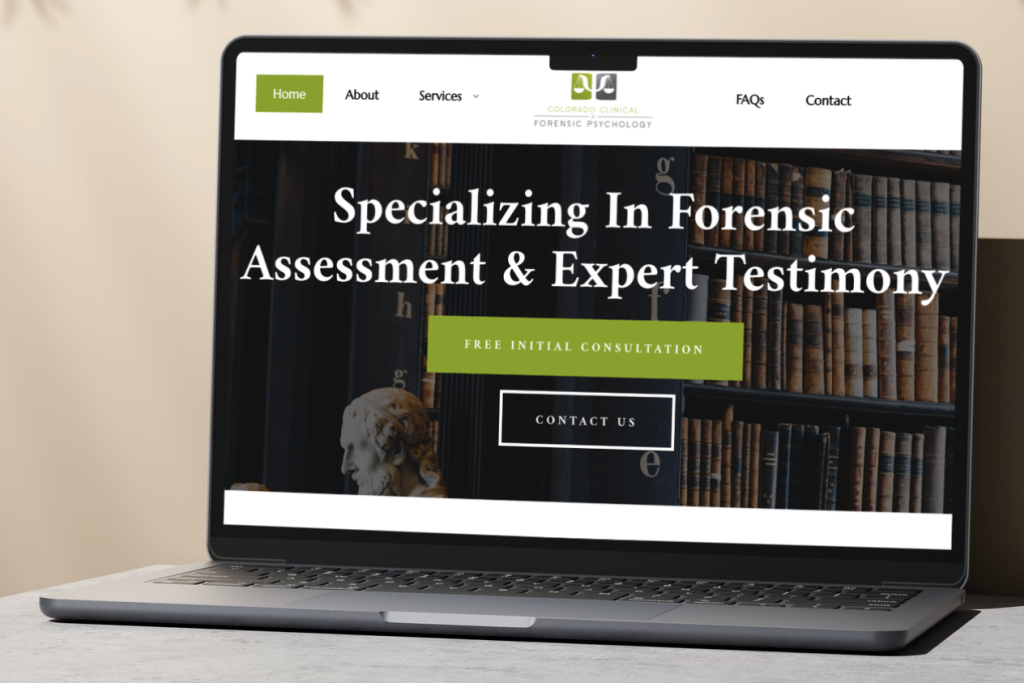
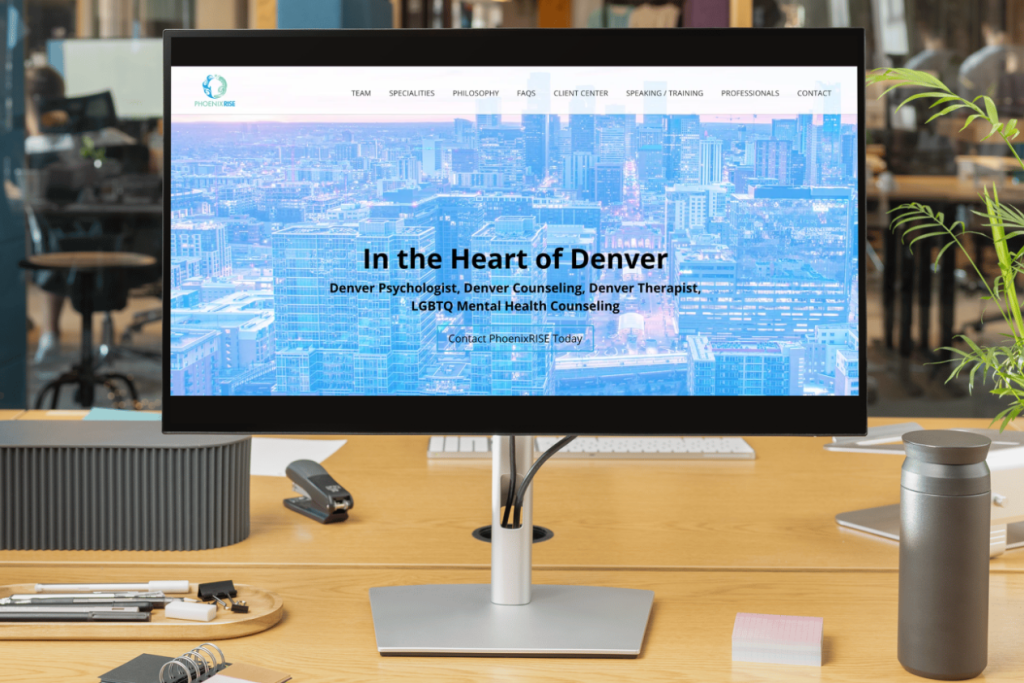
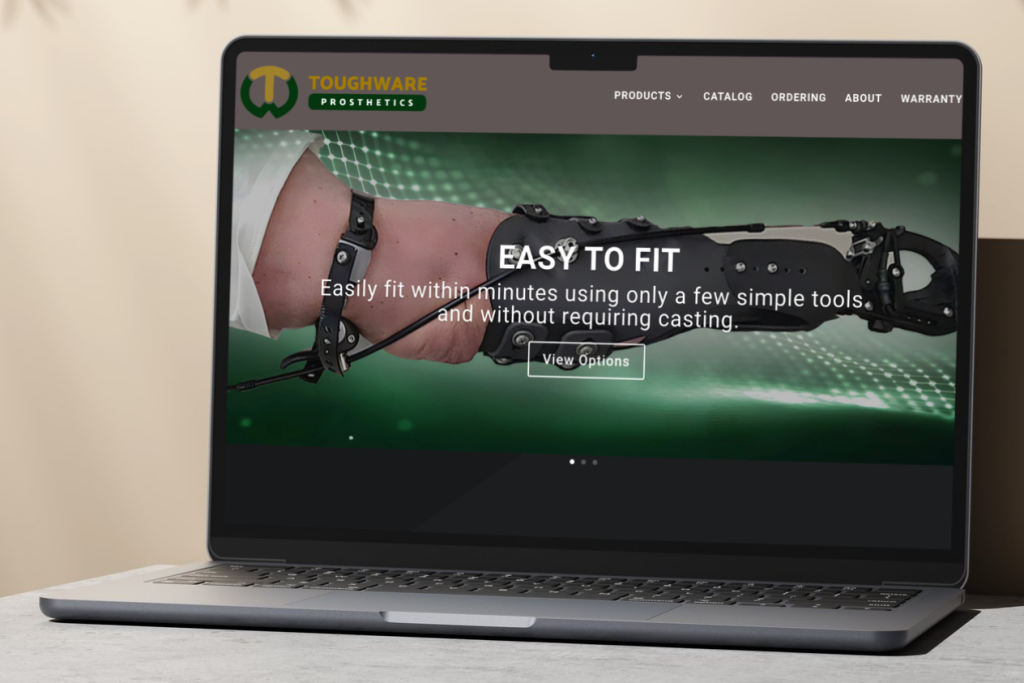
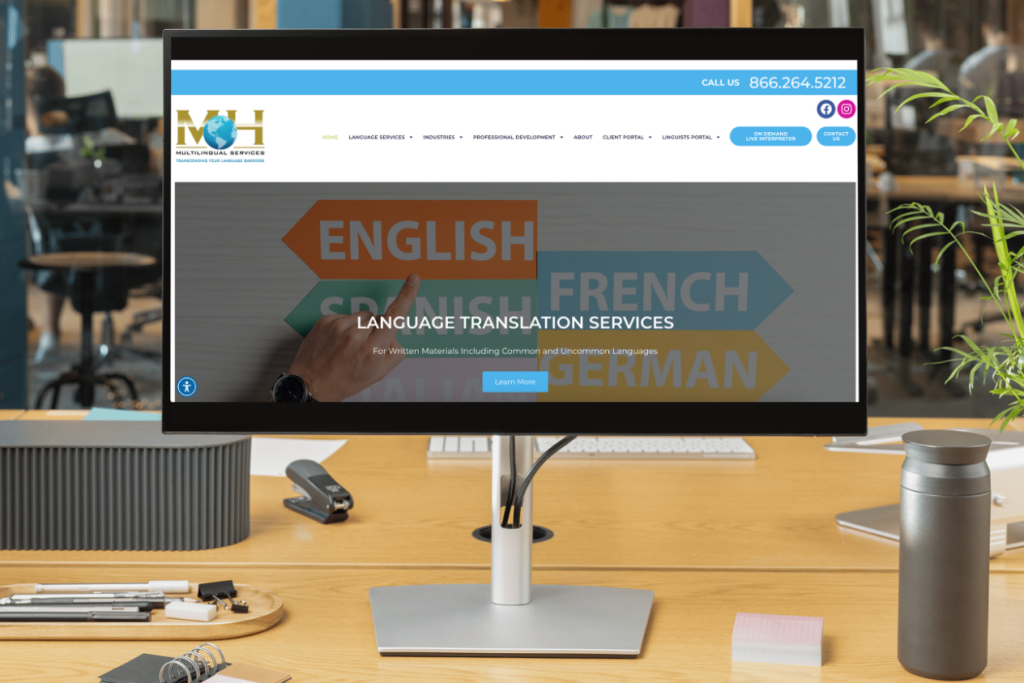
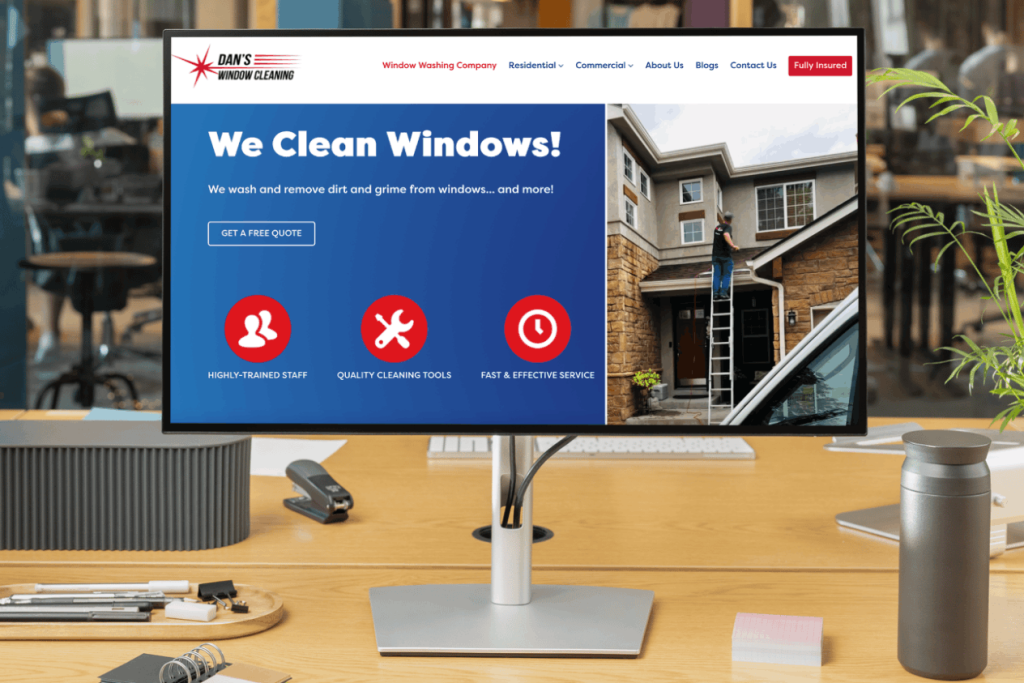
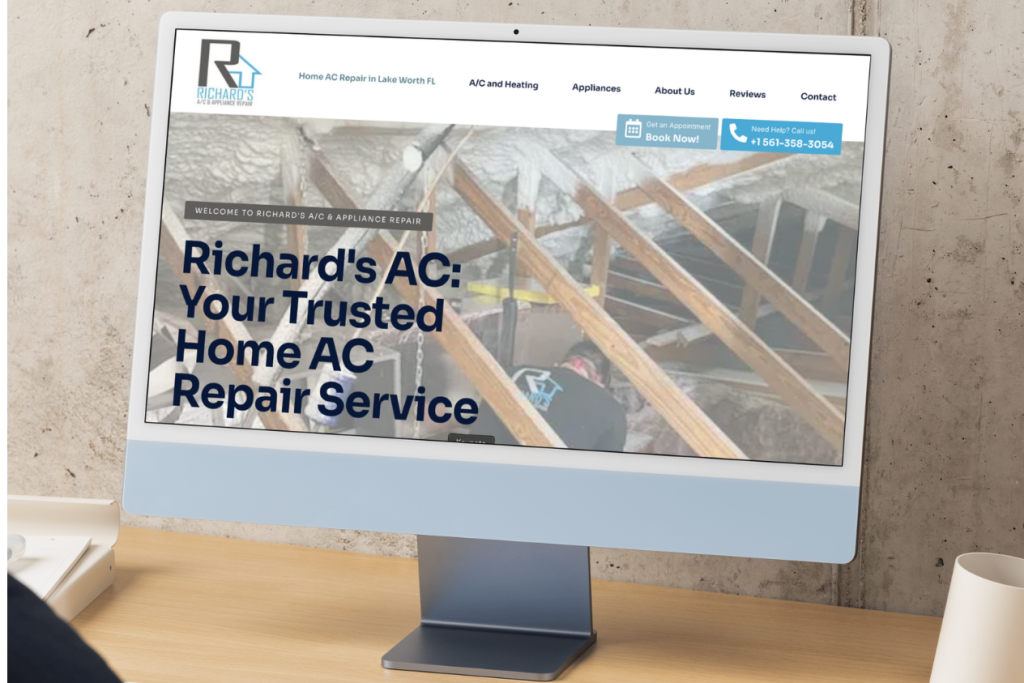
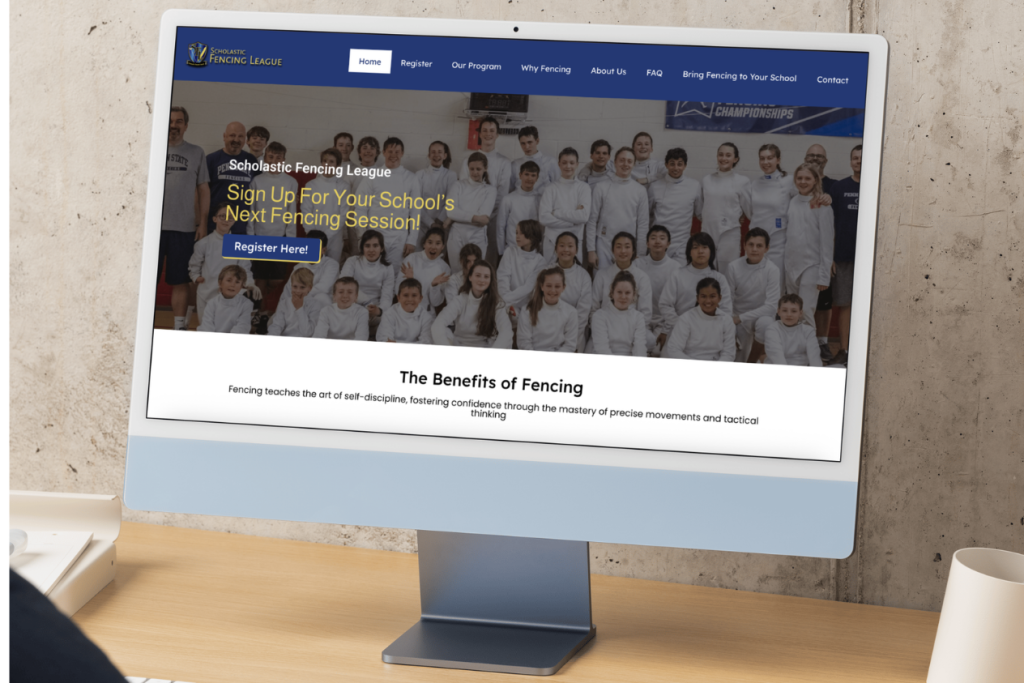
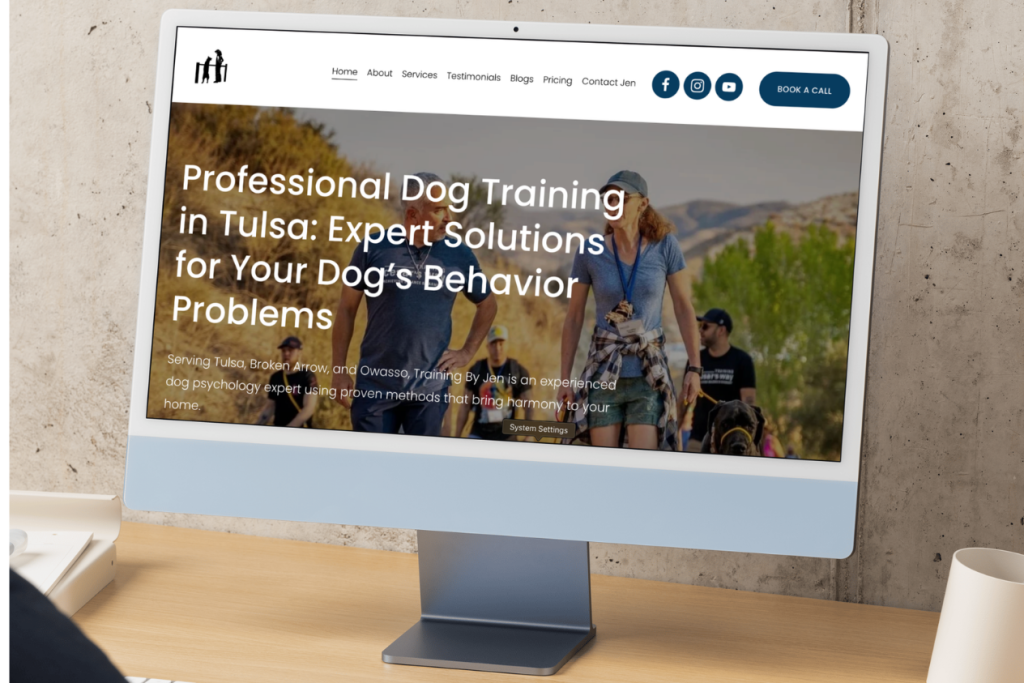
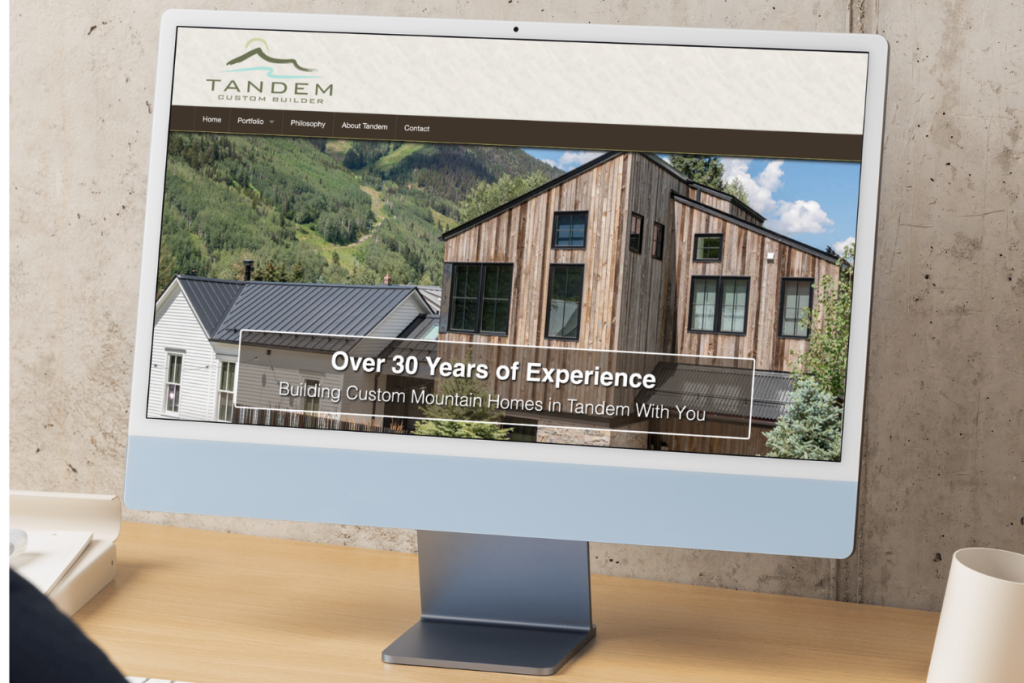
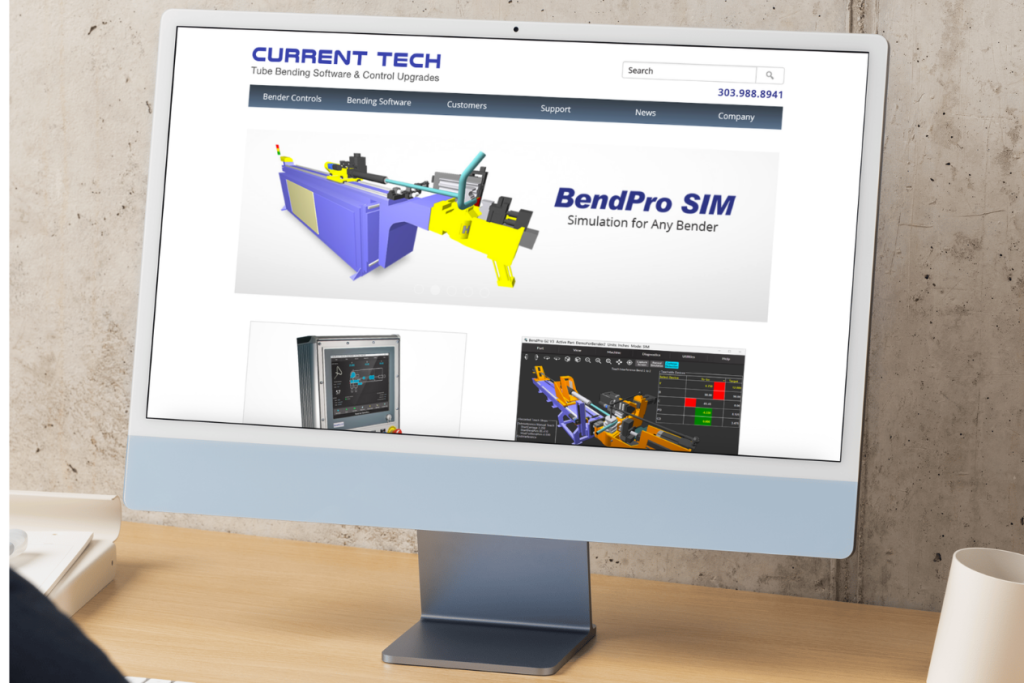
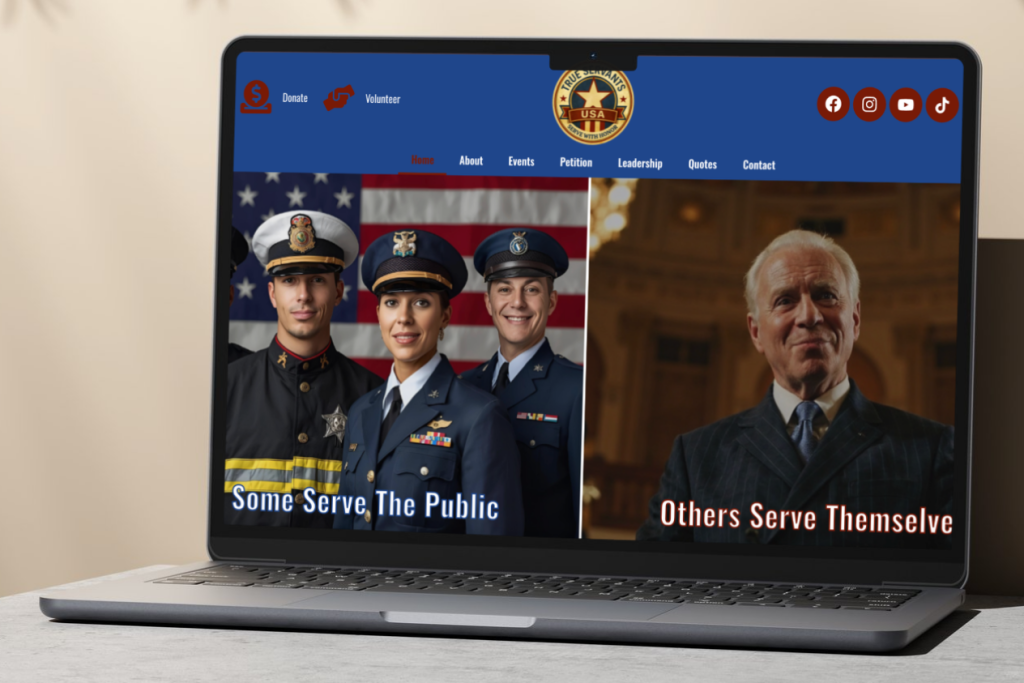
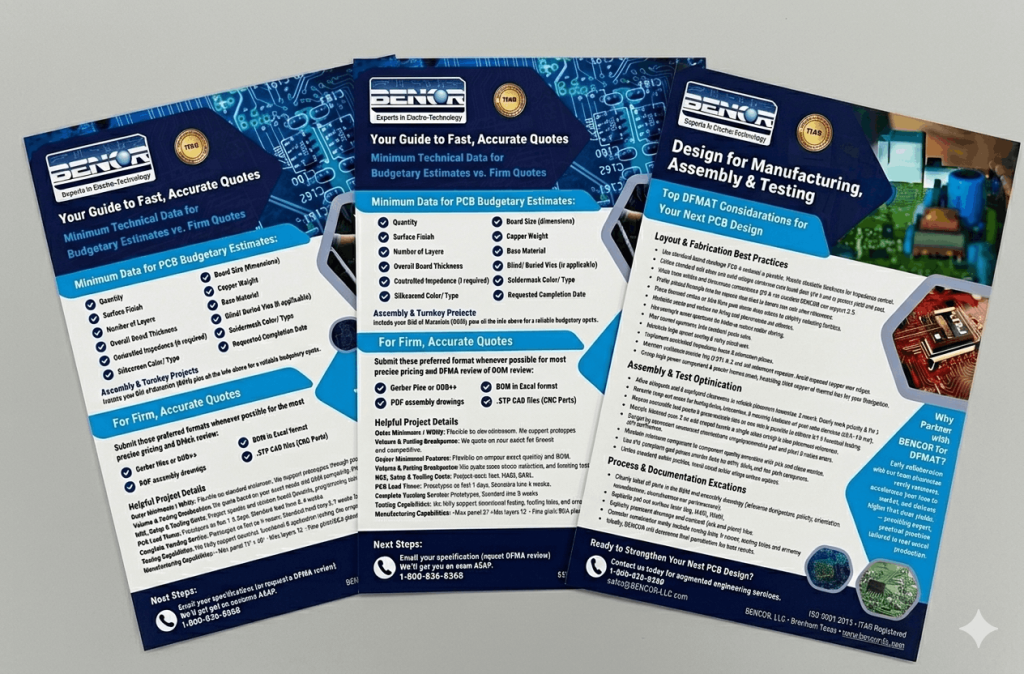


 Starting a new business is exciting, but it can feel tough when customers don’t know you exist. You might have a great product or service, but if people nearby can’t find you when they search online, you miss out on sales. That’s where local SEO comes in. It’s a simple way to help your startup show up when someone searches for things like “auto repair near me” or “coffee shop in Fort Lauderdale.”
 Many businesses leave significant revenue potential untapped due to misaligned efforts, outdated assumptions, or unseen bottlenecks. A marketing velocity audit provides a structured way to diagnose these gaps and create a clearer path forward. Leaders searching for “marketing audit” or “digital strategy assessment” often want objective insights into what’s working, what’s not, and where to focus resources for maximum impact.
 Omnichannel marketing in 2026 goes beyond simply being present on multiple channels—it’s about creating unified, frictionless journeys where data, context, and messaging flow seamlessly. Businesses investigating “omnichannel marketing plan 2026” often deal with siloed efforts that frustrate customers and waste resources. When executed well, integrated strategies boost engagement, loyalty, and revenue through consistent, relevant experiences.
 In 2026, trust has become the currency of digital visibility. Google’s E-E-A-T framework—Experience, Expertise, Authoritativeness, and Trustworthiness—evolved from quality guidelines into a core ranking factor, especially as AI engines increasingly cite sources. Businesses searching for “E-E-A-T SEO 2026” or “brand trust marketing” recognize that generic content no longer suffices; audiences and algorithms demand proof of real credibility.
 Paid advertising in 2026 demands more intelligence and accountability than ever. With rising costs and shifting consumer behaviors, businesses exploring “PPC management” or “retail media ROI” seek strategies that deliver measurable growth rather than just impressions. AI automation, retail media networks, and privacy-first data are reshaping the landscape, offering new opportunities for those who adapt thoughtfully.
 Rebranding isn’t just about new logos or colors—it’s a strategic opportunity to realign your promise with evolving markets, technologies, and audience expectations.


 In 2026, customers expect experiences that feel uniquely tailored to them—yet they’re more privacy-conscious than ever. Hyper-personalization goes beyond basic segmentation to deliver real-time, context-aware interactions powered by first-party data, behavioral signals, and AI.


 In 2026, the way people discover information has fundamentally shifted. Generative AI engines like Google’s AI Overviews, ChatGPT, Gemini, and Perplexity now deliver direct answers, summaries, and recommendations—often without requiring users to click through to websites.